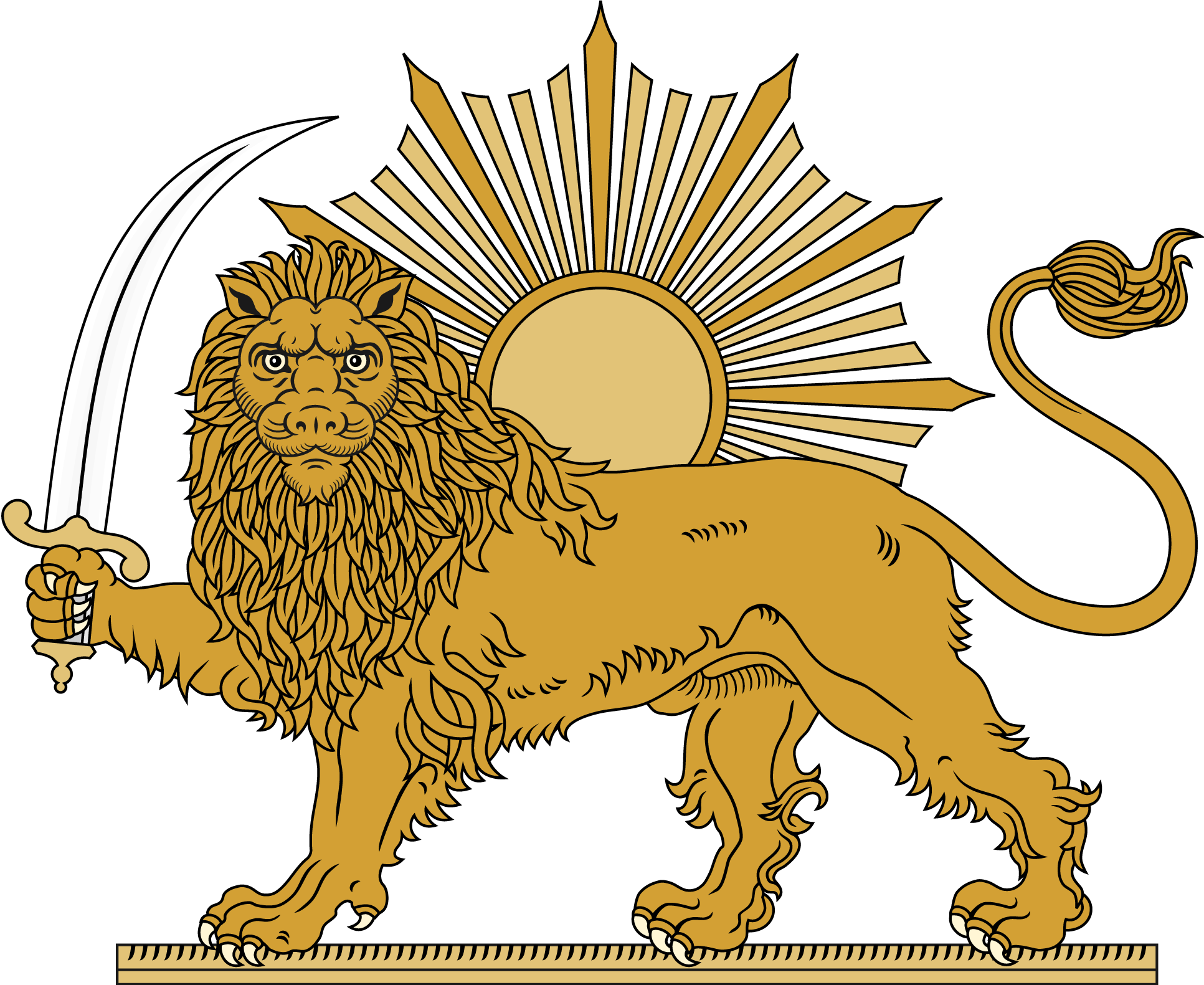
From Soldier to Shah. The 1921 Coup and the Rise of the Pahlavi Dynasty 1921-1925
Iran’s modern monarchy began with a dramatic shift of power after the 1921 coup, when Reza Khan rose from military commander to national leader and founded the Pahlavi dynasty in 1925.
Source:
Encyclopaedia Britannica
by Britannica Editors
(August 1, 2025)
In the early 1920s, Iran was in deep crisis. The central government under the Qajar monarchy was weak, the economy was strained, and many regions were effectively controlled by tribal forces or local strongmen. Foreign influence remained strong, and national humiliation after years of instability created demand for a powerful state that could restore order.
On February 21, 1921, forces associated with the Cossack Brigade entered Tehran and seized control of key positions. The coup brought Reza Khan—an ambitious military officer—into national politics. Soon after, he became Minister of War and began to reshape Iran’s power structure by strengthening the army and expanding state authority.
Over the next few years, Reza Khan steadily increased his influence. He pushed back against armed rivals, reduced the independence of regional authorities, and built a centralized administrative system around Tehran. In 1923, he became Prime Minister, which gave him formal control over the state while the Qajar monarch remained on the throne in name only.
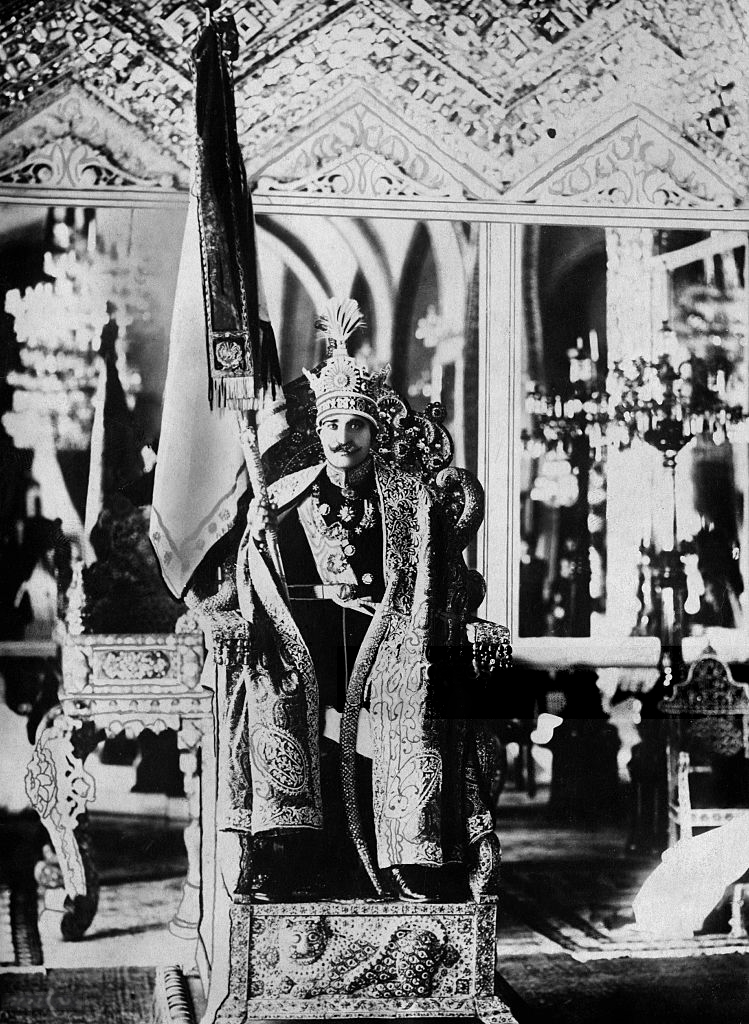
By 1925, Iran’s parliament moved to end Qajar rule entirely. Reza Khan was chosen as the new Shah, creating the Pahlavi dynasty and marking a turning point in Iranian state-building. The rise of the Pahlavis represented a new national project: transforming Iran into a modern centralized country with a strong army, unified administration, and a stronger identity as a sovereign nation.
This period remains one of the most decisive moments in modern Iranian history. Supporters view it as the beginning of national revival after decades of weakness. Critics argue that the methods used—especially force and repression—introduced a model of political authority that shaped later tensions.